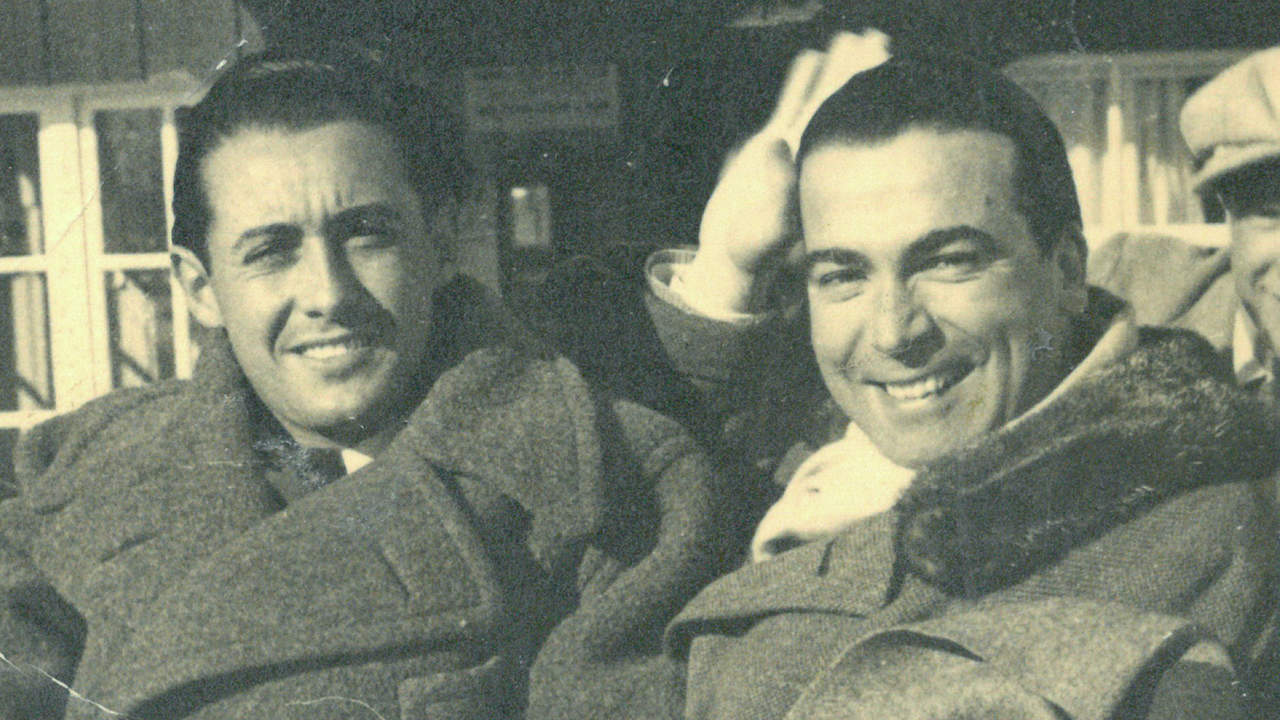
Cristóbal Balenciaga, often referred to as “the master of us all” by Christian Dior, radically transformed the landscape of twentieth-century fashion. His impact on modern designers is profound, permeating creative approaches, construction techniques, and the very philosophy underpinning contemporary style. Delving into the specifics of his influence reveals a narrative of meticulous innovation, sculptural aesthetics, and a relentless pursuit of perfection.
Architectural Construction and Form-Innovation
One of Balenciaga’s most notable influences on contemporary design lies in his almost architectural handling of garment construction. Rather than embracing the dominant 1950s hourglass figure, he introduced fresh silhouettes like the sack dress, the cocoon coat, and the balloon skirt. His inventions emphasized the dynamic interplay between fabric and space, resulting in pieces that appeared to hover or lift away from the body. Many designers today, including Rei Kawakubo of Comme des Garçons and Demna Gvasalia, current artistic director of Balenciaga, continue to draw substantial inspiration from his explorations of form, regularly citing his daring contours, sculpted volumes, and forward-thinking silhouettes.
Balenciaga’s obsession with the structure led him to manipulate textiles in unprecedented ways. Rigorous fabric selection was critical to realizing his visionary forms. He often collaborated directly with textile manufacturers to create materials capable of holding the constructions he envisioned. This artisanal approach to material manipulation can be seen in the collections of contemporary designers like Alexander McQueen, Hussein Chalayan, and Phoebe Philo, whose work demonstrates an acute sensitivity to the interplay between fabric, form, and wearer.
Expert Command of Techniques and Precision Tailoring
Balenciaga was celebrated for exceptional technical expertise, commanding every stage of garment creation from pattern design to draping. He often relied on methods such as unlined pieces, garments shaped with minimal darts, hidden zippers, and smoothly integrated sleeve-heads, all of which required remarkable precision. This level of craftsmanship has established an aspirational benchmark for fashion houses across the globe. Nicolas Ghesquière, for instance, during his work at both Balenciaga and Louis Vuitton, has recognized Balenciaga’s impact, drawing on vintage tailoring practices and couture-grade finishing in his own collections.
Modern designers frequently cite Balenciaga’s emphasis on “cut” and fit. His tailored jackets fit perfectly at the neck before falling loosely at the hem, a concept seen in today’s oversized outerwear trend. The structural purity he insisted upon has inspired generations to value craftsmanship and construction on equal footing with aesthetics.
Minimalism, Restraint, and Abstraction
While Balenciaga could design opulent and elaborate garments, his mature work embraced minimalism and architectural purity. He eliminated superfluous decoration, letting cut and fabric carry the visual weight. This focus on restraint has fueled many of the twentieth and twenty-first century’s design movements, such as the minimalist fashion of Jil Sander and Calvin Klein. Phoebe Philo’s Celine exemplified this minimalist ethos, often with direct nods to Balenciaga’s elusive, enigmatic simplicity.
Balenciaga’s penchant for abstraction—removing overt references to the body, for example—challenged designers to view garments as “objects” or “structures.” Works by contemporary designers like Yohji Yamamoto and Martin Margiela echo this ideation, employing abstraction as a tool for exploring new concepts in the relationship between body, garment, and space.
Transforming the Fashion Landscape
Beyond the garments themselves, Balenciaga revolutionized the way designers interact with their craft. He was one of the few couturiers who designed, cut, and constructed his own samples. His rigorous atelier standards set a new benchmark for creative involvement. This model has inspired designers to take a more hands-on role in the realization of their work, encouraging a return to atelier culture and a focus on artistic integrity even within today’s industrialized fashion system.
Balenciaga also challenged prevailing norms regarding seasonality and speed in fashion. He famously delayed collections until he felt they were perfect, sometimes only presenting one per season. This focus on thoughtful design over commercial considerations resonates in the slow fashion movement, as contemporary designers increasingly prioritize sustainability and innovation over relentless output.
Impact on Leading Contemporary Designers and Brands
Fashion luminaries influenced by Balenciaga form a veritable roster of the industry’s elite. Hubert de Givenchy emerged as his protégé, while Oscar de la Renta, André Courrèges, and Emanuel Ungaro honed their craft under his guidance. Even Coco Chanel, seldom praised for her generosity, described him as “the only true couturier.” His fashion house still steers contemporary design through Demna Gvasalia, whose bold silhouettes and ironic deconstruction honor the vision of the original master.
Current collections from many top-tier and avant-garde labels still draw on Balenciaga’s signature elements, whether through cocoon-style sleeves, asymmetrical hemlines, or a balance between subtlety and theatrical flair. His influence resonates in dramatic, sculptural runway pieces as well as in streamlined, understated silhouettes that embody refined everyday luxury.
An Enduring Presence
Cristóbal Balenciaga’s legacy rests not only in his breathtaking garments but also in the creative dialogue he started—a continuous reimagining of what it means to dress the modern body. His insistence on innovation, technical mastery, and artistic vision blazed a path for designers to challenge norms, push technical boundaries, and prioritize integrity. Every time a modern designer subverts convention, reimagines tailoring, or elevates the art and architecture of dress, they engage in a conversation Balenciaga began—and which, through his enduring influence, the world continues to pursue.