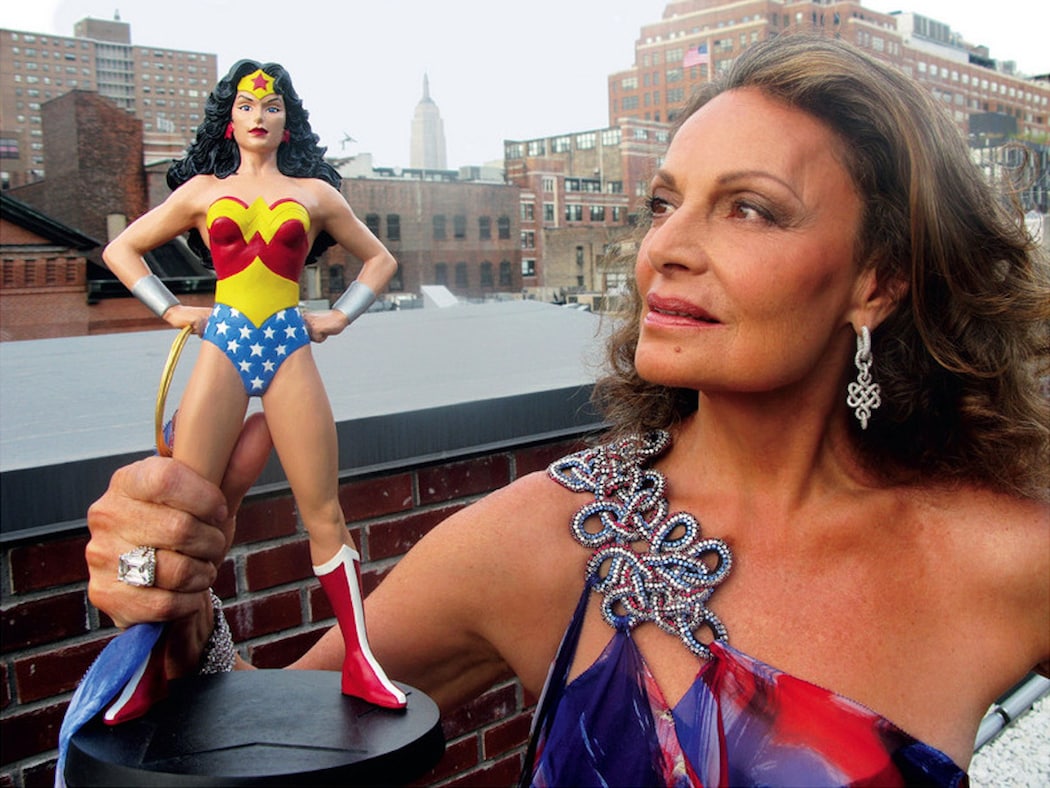
Diane von Fürstenberg stands as a paragon of contemporary fashion, instantly recognizable for her harmonious blend of practicality, boldness, and femininity. Her style transcends mere trends; it is rooted in a strong philosophy driven by empowerment, timelessness, and individuality. To grasp what defines Diane von Fürstenberg’s style, one must examine her signature aesthetics, the philosophy behind her creations, her influence on women’s fashion, and compelling examples that demonstrate her unique vision.
The Defining Essence of the Wrap Dress
Perhaps the most iconic emblem of Diane von Fürstenberg’s style is the wrap dress. Introduced in the early 1970s, this simple yet transformative garment exemplified her approach to fashion: designing clothes that empower women by combining ease and elegance. The classic wrap dress, often cut from jersey fabric, features a waist-cinching tie, a V-neckline, and a silhouette that flatters a wide array of body types. Its genius lies in adaptability—the same dress can transition from the boardroom to cocktails without missing a beat.
This garment became synonymous with female liberation during an era of shifting gender norms, offering women clothing that was easy to put on, travel with, and suited to their increasingly dynamic lifestyles. The wrap dress not only became a symbol of women’s empowerment but also continues to be reinvented season after season, reflecting von Fürstenberg’s core belief in the enduring power of versatility.
Enduring Elegance and Contemporary Sensibility
Diane von Fürstenberg’s designs are distinguished by their ability to remain relevant across decades. She often embarks on reinterpretations of prints, cuts, and fabrics that echo both nostalgia and modern tastes. Her collections demonstrate a keen understanding of changing cultural and social dynamics without abandoning her foundational style principles. This results in garments that speak to a universal sensibility, maintaining relevance regardless of fleeting trends.
For example, geometric prints, vivid colors, and floral patterns appear in her collections season after season, yet each time they are reimagined for a contemporary audience. This strategy is not accidental but a conscious effort to anchor modernity within a framework of timeless elegance.
Striking Patterns and Confident Color
One of the hallmarks of von Fürstenberg’s style is her sophisticated use of pattern and color. Her prints are often graphic and vibrant, ranging from animal motifs to abstract shapes. These choices are rarely subtle; rather, they are designed to celebrate visibility and confidence.
The designer’s initial lines ventured boldly into vibrant color schemes, moving away from the subdued shades common in the mid-twentieth century, and as a result, von Fürstenberg’s garments frequently exude a lively energy that invites the wearer to be noticed, with this approach to color and pattern reflecting her belief that fashion serves as a means of personal expression and underscoring her ongoing emphasis on empowerment.
Streamlined Construction That Achieves Outstanding Impact
Although her prints burst with energy and her color palette is boldly unconventional, von Fürstenberg’s garment construction tends to remain pared down. She leans toward sleek outlines, straightforward silhouettes, and cuts designed to let the wearer move with ease. Her exploration of textiles focuses on finding fabrics that fall gracefully and conform to the body, reinforcing her dedication to both comfort and style.
For instance, the jersey fabric of the classic wrap dress was revolutionary for its time, blending luxury with low maintenance. Her blouses, skirts, and trousers follow this principle, ensuring that the garment does not overpower the individual but instead supports their personality and lifestyle. This minimalist structural philosophy enables women to feel both at ease and elegantly attired without excess ornamentation.
The Power of Empowerment
Beyond aesthetics, Diane von Fürstenberg’s style is defined by its empowering ethos. She has often spoken about clothing as a means of giving women confidence, describing her mission as one of enabling women to be themselves. This vision influences not only the design process but also her marketing and brand communications.
A case study of the wrap dress’s impact demonstrates this ethos in action. The dress became a wardrobe staple for working women in the 1970s who were trying to balance career ambitions with personal expression. Its success was not merely due to its visual appeal but to the sense of freedom and agency it imparted. Von Fürstenberg’s 2014 memoir, “The Woman I Wanted to Be,” chronicles numerous stories of women who found strength and identity through her designs.
Worldwide Impact and Adaptability
Von Fürstenberg’s influence extends across the globe, as the versatility of her style has allowed it to reach an array of markets spanning New York and Paris to Tokyo and Shanghai. Her runway presentations often feature models from many different backgrounds, underscoring the universal appeal her designs command.
Examining the evolution of her brand, its strategic partnerships with leading retailers and limited-release capsules demonstrate how it adapts to an ever-changing industry. Recent collections have incorporated sustainable fabrics, digital patterning, and broader size ranges, addressing contemporary consumer expectations while preserving the brand’s core identity.
The Legacy of Signature Elements
Patterns, fluid fabrics, strategic cuts, and vibrant colors weave through Diane von Fürstenberg’s collections, but it is the cohesive narrative that sets them apart. Her garments are unified by a clear philosophy: fashion should serve the individuality and freedom of its wearer. This principle translates across generations, making her work a reference point in both the business and creative domains of the fashion industry.
Reflecting on the evolution of Diane von Fürstenberg’s style reveals a framework where form, function, and meaning remain tightly interwoven, and her creations provide far more than visual elegance, encouraging the wearer to step into any setting with confidence and sincerity; this fluid fusion of aesthetics and philosophy continues to shape, and reshape, the very notion of dressing with intention and presence.