Our website uses cookies to improve and personalize your experience and to display ads (if any). Our website may also include third-party cookies from services such as Google AdSense, Google Analytics, and YouTube. By using the website, you consent to the use of cookies. We have updated our Privacy Policy. Please click the button to view our Privacy Policy.

Social Responsibility

The 10 Oldest Humanitarian Organizations Still Active Today

Key facts about the oldest humanitarian organizations in the world

Introduction: Enduring Institutions of CompassionHumanitarian organizations are often born in moments of crisis—war, famine, epidemic, or social upheaval. Yet only a few endure for more than a century, adapting to new challenges while remaining committed to alleviating human suffering. The following organizations rank among the oldest humanitarian institutions still active today. Each has shaped global relief efforts, pioneered new standards of care, and influenced international law, public health, disaster response, and social welfare.1. The Order of Malta (Sovereign Military Order of Malta) – Founded circa 1048Initially founded in Jerusalem with the mission of delivering medical assistance to travelers, the Order…
Read More
Los 10 desastres industriales que forzaron cambios en la regulación ambiental

The 10 most polluting industries in modern history and their global environmental consequences

Introduction: Pollution as a Byproduct of Industrial ProgressIndustrialization has transformed human civilization, raising living standards, extending life expectancy, and enabling global connectivity. Yet many of the industries responsible for modern prosperity have also produced profound environmental damage. Air contamination, water pollution, soil degradation, biodiversity loss, and climate change are closely linked to industrial activity over the past two centuries. The following analysis examines the ten most polluting industries in modern history, highlighting their environmental impact, historical evolution, and global consequences.1. Fossil Fuel Energy ProductionCoal, oil, and natural gas extraction and combustion form the backbone of modern energy systems. Power plants…
Read More
United Kingdom: corporate CSR strengthening inclusion and social-impact procurement

Leveraging procurement contracts for social impact and inclusion in UK corporate CSR

Overview and contextThe United Kingdom has transitioned away from charity-driven corporate philanthropy toward an integrated framework of corporate social responsibility (CSR), where procurement serves as a key catalyst for social inclusion and impact. Public institutions and enterprises progressively view supplier selection and contract structuring as instruments to generate employment opportunities for vulnerable demographics, back social enterprises, and advance fair compensation, workforce heterogeneity, and regional economic growth.Policy and regulatory driversPublic Services (Social Value) Act 2012 obliges contracting authorities to consider economic, social and environmental well‑being when awarding public contracts, creating a precedent and toolkit that the private sector frequently mirrors.Procurement Act…
Read More
The 12 Most Notorious Greenwashing Cases Ever Exposed

Twelve shocking greenwashing cases that misled consumers and regulators

Greenwashing has transformed from subtle marketing tactics into sophisticated, data-driven campaigns that mislead investors, regulators, and consumers alike. Below are twelve of the most notorious greenwashing cases ever exposed—each illustrating how environmental claims can diverge sharply from environmental reality.1. Volkswagen’s “Clean Diesel” ScandalIn 2015, authorities discovered that Volkswagen had fitted roughly 11 million diesel cars globally with defeat mechanisms. These systems recognized when the vehicles were undergoing emissions checks and temporarily lowered nitrogen oxide output to comply with regulatory limits.During actual driving scenarios, emissions surged to nearly 40 times the legally allowed thresholds across the United States.Impact: Over $30 billion…
Read More
The 10 International Climate Agreements and What They Actually Achieved

What the UNFCCC accomplished at the Rio Earth Summit and beyond

1) United Nations Framework Convention on Climate Change (UNFCCC), 1992The UNFCCC, adopted at the Rio Earth Summit, created the legal and institutional foundation for global climate cooperation. Its core objective is to stabilize greenhouse gas concentrations “at a level that would prevent dangerous anthropogenic interference with the climate system.” While it set no binding emission limits, it established key principles such as common but differentiated responsibilities and required countries to submit national greenhouse gas inventories.What it achieved:Universal membership, establishing an almost worldwide platform for climate talks.Standardized reporting and review procedures that enhanced transparency and data quality.Establishment of the annual Conference…
Read More
The 12 Most Devastating Oil Spills in History

The 12 biggest oil spills in history and their environmental aftermath on ecosystems

Introduction: The Global Cost of Oil SpillsOil spills rank among the most destructive human-made environmental disasters. Whether caused by tanker accidents, offshore drilling failures, pipeline ruptures, or acts of war, large-scale oil spills devastate marine ecosystems, damage coastal economies, and leave long-term public health consequences. Millions of barrels of crude oil and refined petroleum products have entered oceans, rivers, and wetlands over the past century, reshaping environmental regulation and energy policy worldwide.Below are twelve of the worst oil spills in history, evaluated by volume discharged, ecological harm, economic fallout, and long-term repercussions.1. Gulf War Oil Spill (1991)Estimated spill: 6–8 million…
Read More
The 15 Largest Philanthropic Foundations in the World by Endowment

The financial strength behind the world’s biggest philanthropic foundations

Comprehending the Planet's Leading Philanthropic Institutions Through Their EndowmentsPhilanthropic foundations play a decisive role in shaping global health, education, scientific research, climate action, and social equity. The largest foundations, measured by endowment size, possess the financial capacity to influence public policy, fund long-term research, and respond rapidly to crises. Endowment size reflects invested assets intended to generate income for grantmaking over decades, ensuring sustained impact.Below are the 15 largest philanthropic foundations in the world by endowment, based on the most recent publicly available financial disclosures and annual reports.1. Bill & Melinda Gates FoundationEndowment: Exceeding $70 billion The Gates Foundation stands…
Read More
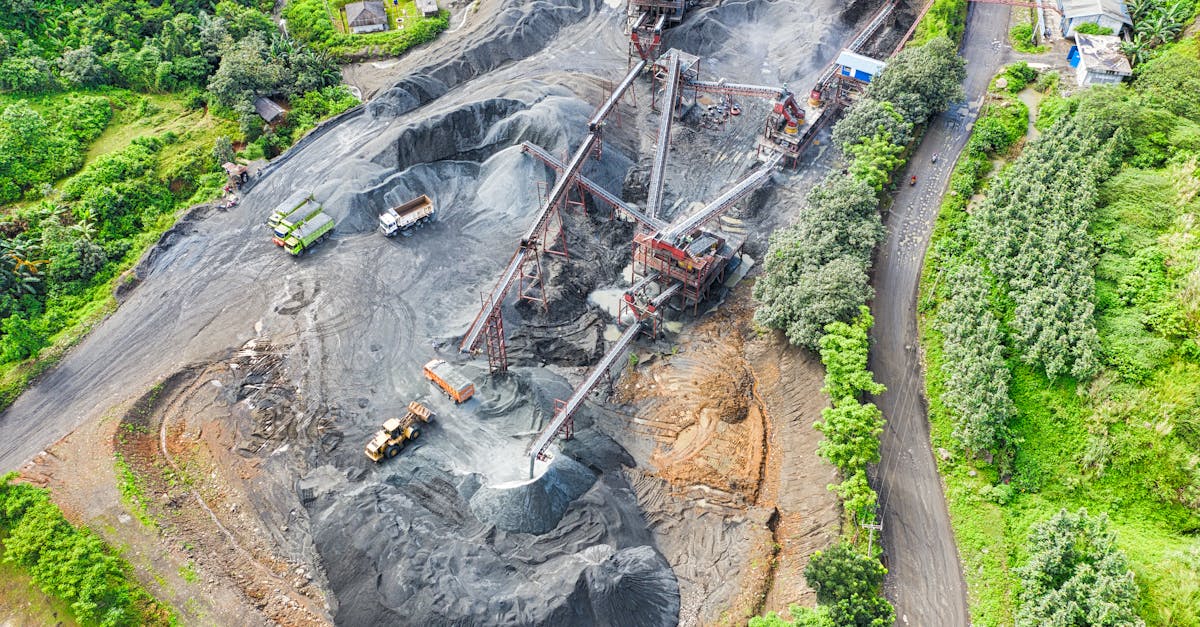
The 10 Mines and Extraction Sites Closed Under Public Pressure

The impact of civil society on the shutdown of 10 mining projects

Introduction: When Public Pressure Reshapes the Extractive IndustryMining and large-scale extraction projects have long been associated with economic growth, job creation, and resource security. Yet they also carry profound environmental, social, and health consequences. Over the past several decades, organized public pressure—through grassroots movements, Indigenous resistance, legal challenges, scientific advocacy, and global campaigns—has led to the closure of several high-profile mines and extraction sites.These closures demonstrate the growing influence of civil society in shaping environmental governance. Below are ten significant mines and extraction projects that were shut down, suspended, or permanently halted due largely to sustained public opposition.1. New World…
Read More
Malawi: agribusiness CSR strengthening nutrition and resilience for smallholders

Building resilience and nutrition for Malawi smallholders through agribusiness CSR

Malawi at a glance: why agribusiness CSR matters for nutrition and resilienceMalawi is a predominantly agricultural nation where small-scale farmers generate the majority of essential foods and feed numerous agribusiness value chains. Farming engages most of the countryside population and accounts for a significant portion of national output, although numerous smallholders continue to face shocks, weather stress, and inadequate nutrition levels. Malnutrition—particularly chronic stunting among minors—remains a major health and developmental challenge. Corporate social responsibility initiatives within the agribusiness sector can serve as a powerful catalyst by merging market entry, capital deployment, technical assistance, and nutrition-targeted programs to elevate smallholder…
Read More
Peru: CSR strengthening community dialogue and water projects in Andean territories

Enhancing water governance and community engagement in Peru’s Andes through CSR programs

Peru: CSR Strengthening Community Dialogue and Water Projects in Andean TerritoriesPeru’s Andean highlands present a paradox: rich ecosystems and cultural heritage, yet widespread vulnerability in water access and governance. Rapid glacier retreat, seasonal variability, and uneven infrastructure mean that many rural Andean communities face intermittent supply, water quality risks, and competing claims between agriculture, human consumption, and extractive industries. Corporate social responsibility, when designed and implemented responsibly, can strengthen community dialogue and deliver water infrastructure and watershed protection that are technically sound, socially legitimate, and resilient to climate change.Context: water challenges in Andean territoriesThree concurrent pressures impact water systems across…
Read More