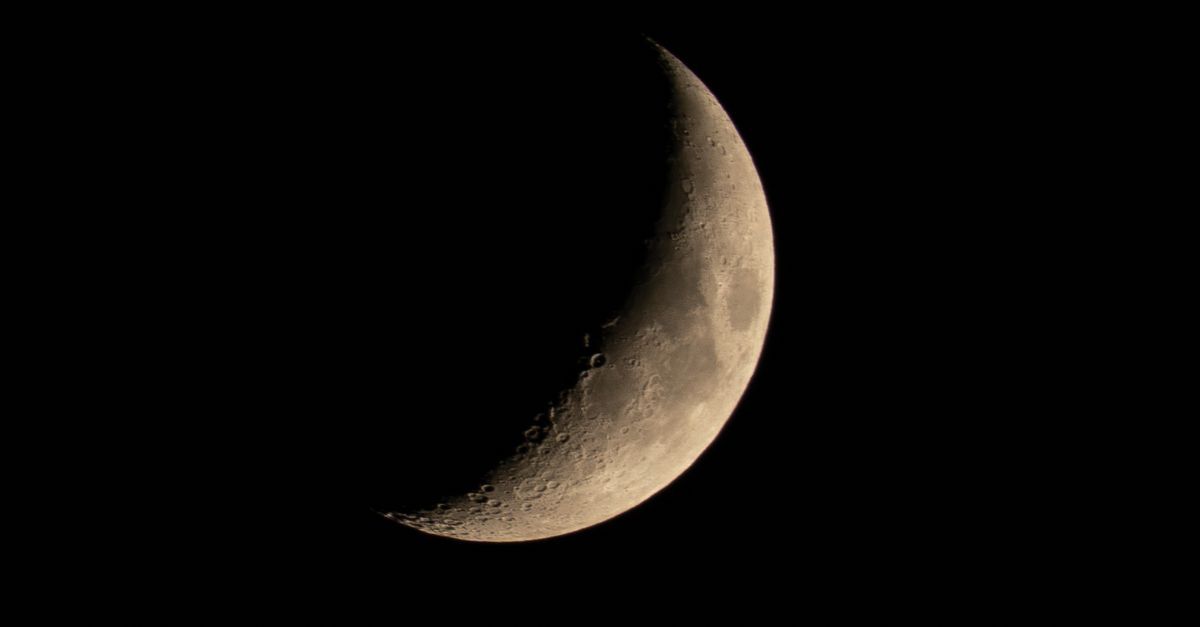
Sky-watchers across North and South America can catch the sturgeon moon eclipse this August
August’s full sturgeon moon will share the night sky with a dramatic partial lunar eclipse, as Earth’s shadow covers nearly the entire visible surface of the Moon. The celestial event will offer sky-watchers across much of the Americas an impressive opportunity to observe the changing lunar landscape.The end of August will bring more than an ordinary full moon. The annual sturgeon moon will coincide with a major partial lunar eclipse, creating one of the most striking astronomical displays of the month. Although the event will technically be classified as a partial eclipse, the Moon will come remarkably close to total…